Developing high-quality reading comprehension questions has become increasingly important following the implementation of the Academic Competency Test (Tes Kemampuan Akademik/TKA). Responding to this growing need, TEFLIN Yogyakarta organized a one-day professional development workshop on TKA Reading at Universitas Negeri Yogyakarta (UNY) on Saturday, August 1, 2026. The workshop brought together approximately 40 English teachers from various educational institutions across the Special Region of Yogyakarta.
Held from 8:00 a.m. to 5:00 p.m., the workshop aimed to strengthen teachers’ assessment literacy, particularly in designing reading comprehension questions that accurately measure students’ understanding of texts. The participants represented a range of educational levels, including junior high schools (SMP), integrated Islamic junior high schools (SMPIT), senior high schools (SMA), and vocational high schools (SMK).
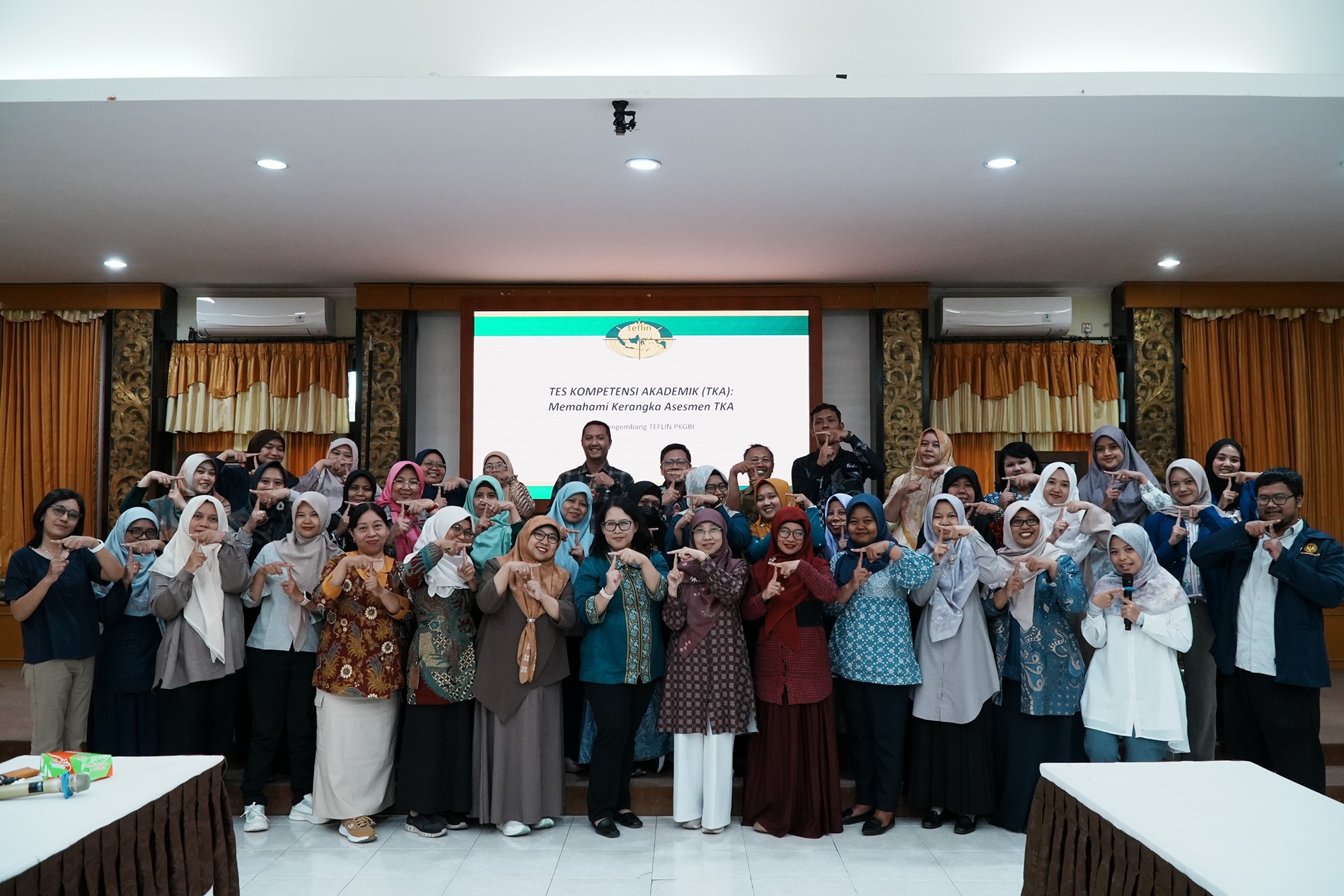
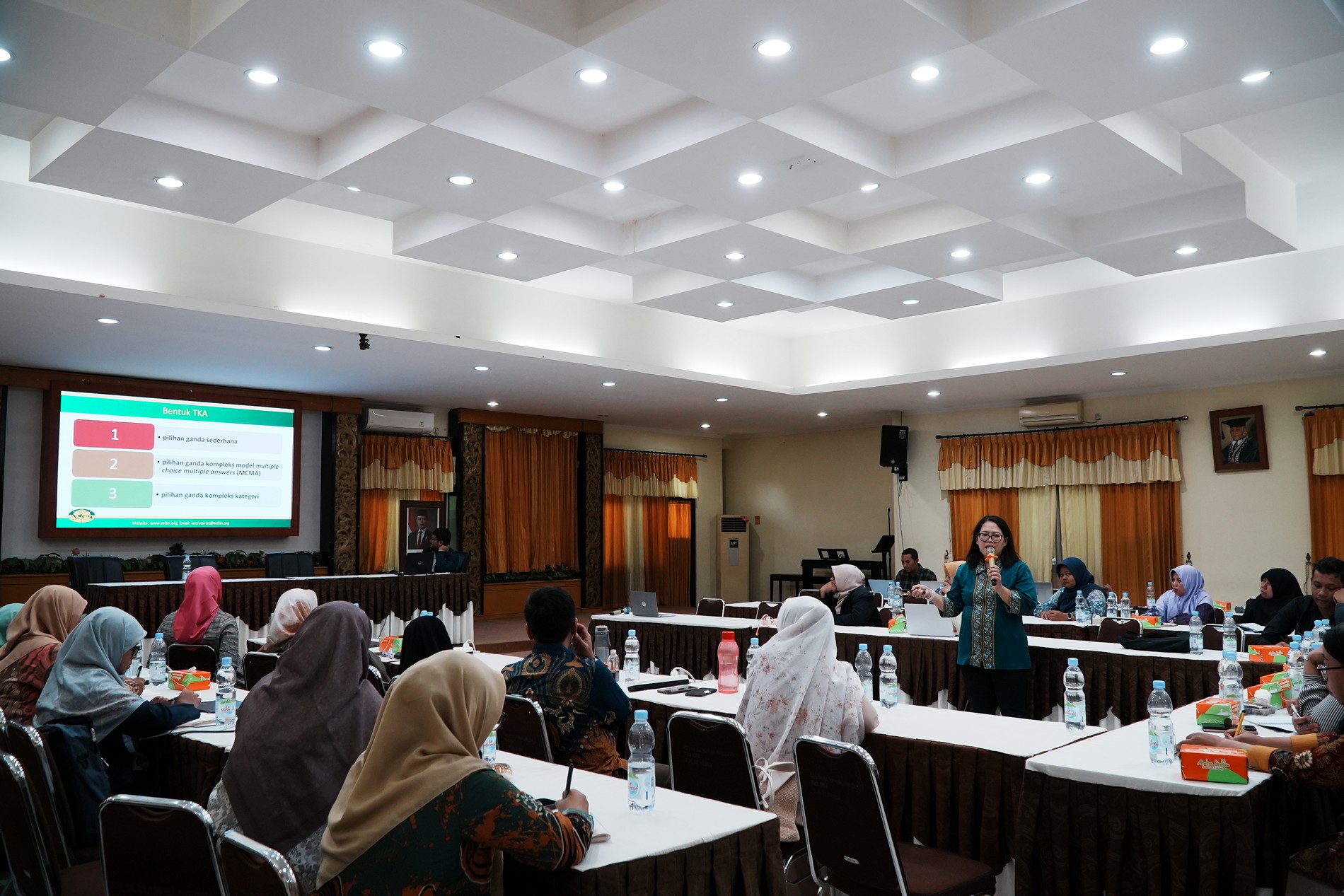
The workshop featured a team of speakers from Universitas Negeri Yogyakarta, including Dyah Setyowati Ciptaningrum, S.Pd., M.Ed., Ed.D., Prof. Anita, Dr. Chintia Reswari, and Dr. Haryo. Throughout the sessions, the speakers introduced the characteristics of effective TKA Reading assessments and encouraged participants to reconsider how reading questions can be designed to assess genuine comprehension rather than simple vocabulary recall or memorization.
One of the key presentations, delivered by Dyah Setyowati Ciptaningrum, emphasized the importance of ensuring that every reading question is firmly grounded in the text. Participants learned that effective TKA Reading items should require students to read, analyze, and interpret a passage before selecting an answer. The session also highlighted the importance of constructing high-quality multiple-choice options. Distractors should be plausible and carefully designed rather than obviously incorrect or humorous. Answer choices should also be balanced in length and structure so that students arrive at the correct answer through careful reading rather than superficial clues.
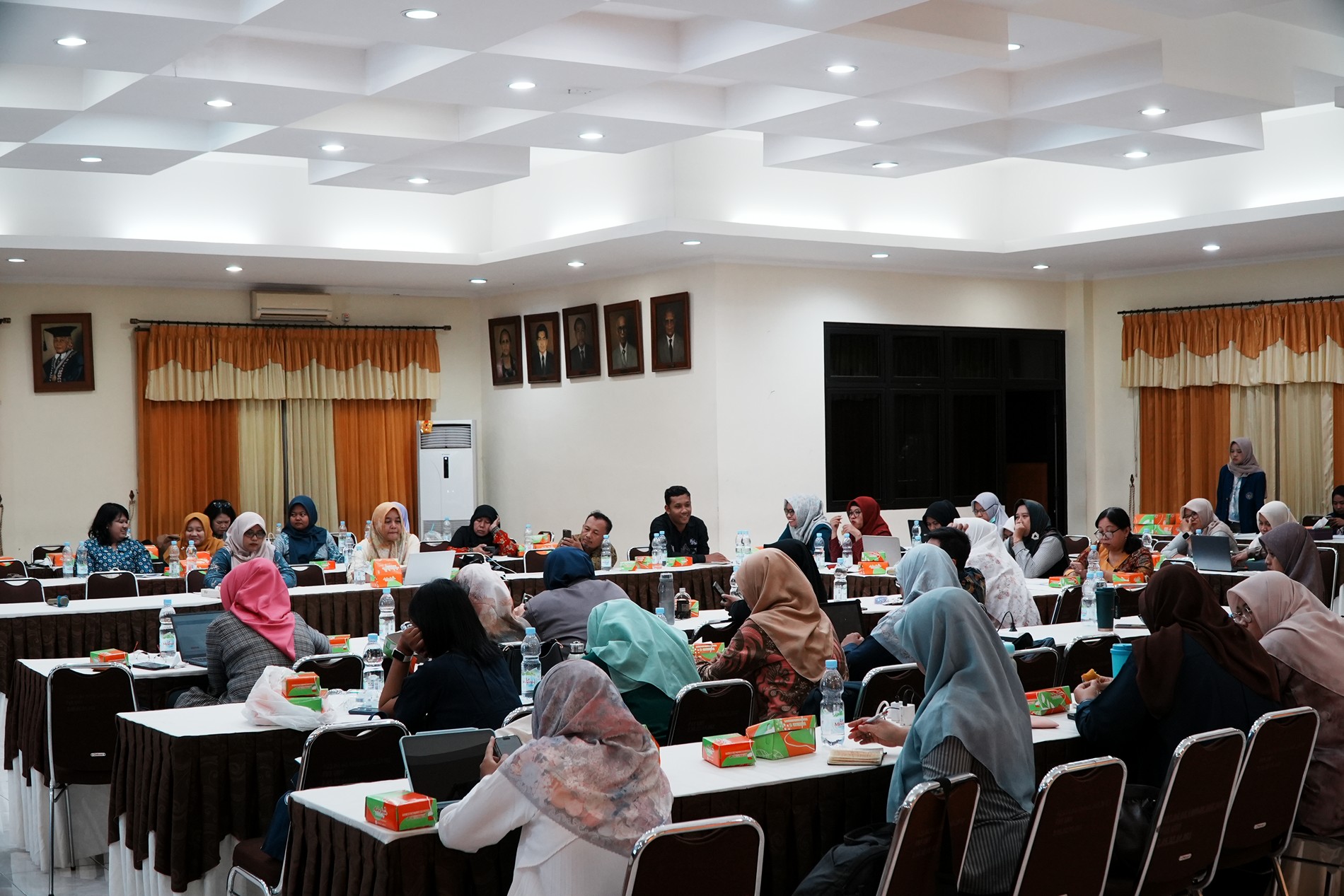
Following the presentations, participants put the principles into practice through a hands-on assessment design activity. Working individually and collaboratively, they were tasked with developing a complete set of 40 TKA Reading multiple-choice questions. The activity required participants to design reading passages and accompanying questions while paying close attention to text dependency, question quality, and effective distractor construction. Discussions and feedback throughout the activity allowed teachers to refine their assessment items and apply the concepts introduced during the workshop.
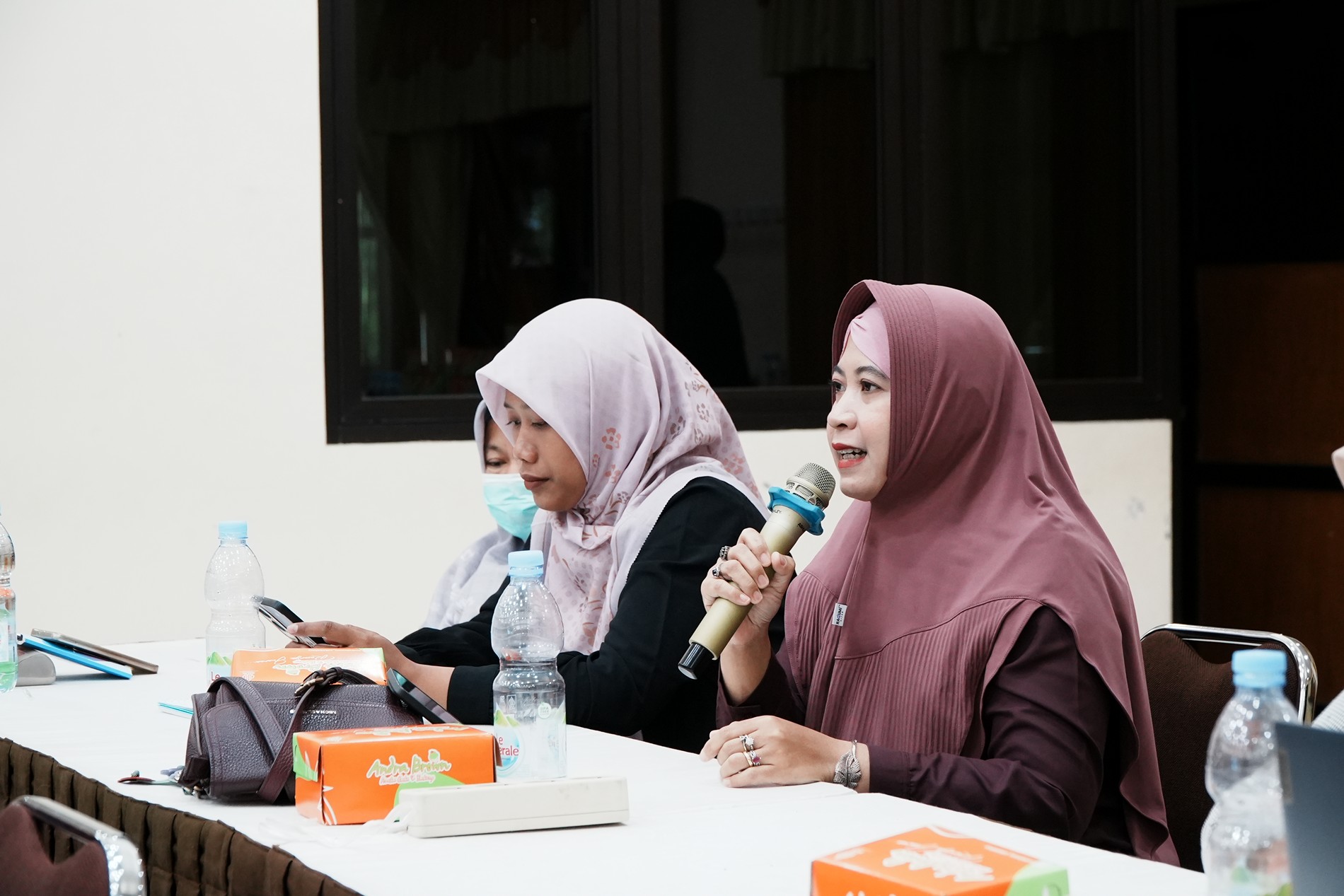
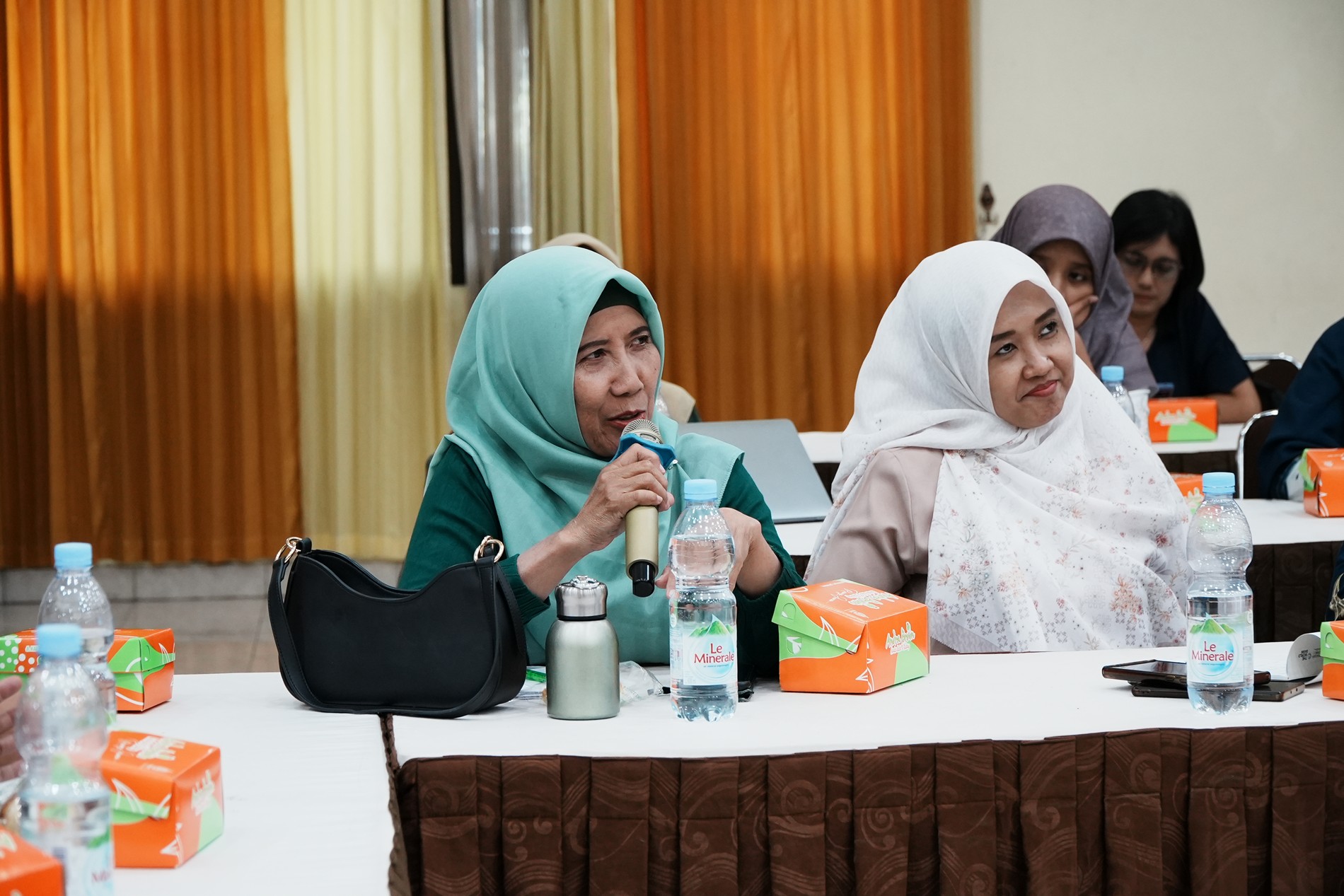
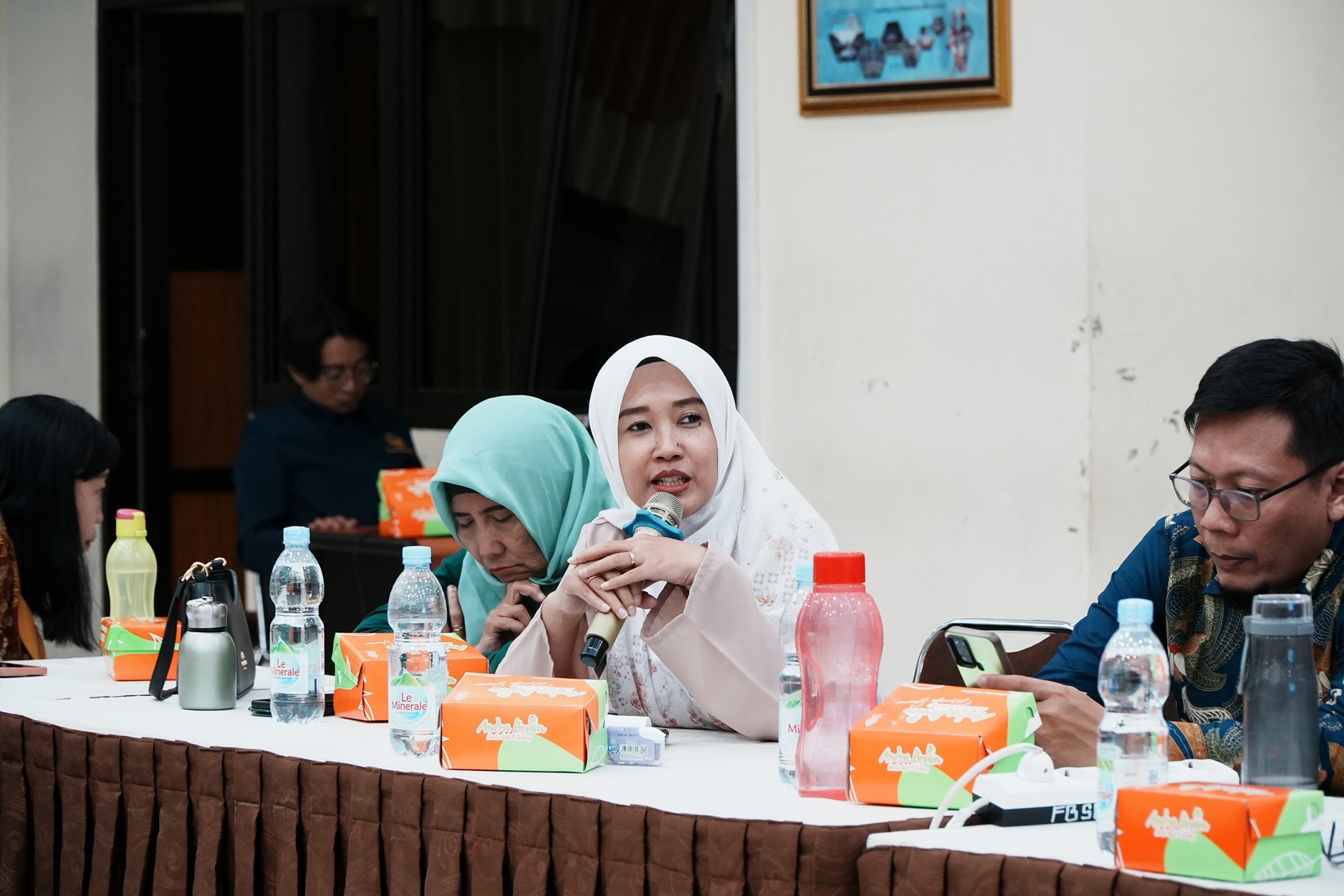
The practical nature of the workshop was well received by participants. One participant reflected that the sessions had changed the way teachers viewed reading assessment. Rather than focusing primarily on whether students knew particular vocabulary, teachers were encouraged to design questions that required students to construct meaning from the text itself. The participant also noted that the workshop materials were highly relevant and immediately applicable to classroom assessment.
By the end of the program, participants were encouraged to apply the knowledge gained in their respective schools and share effective assessment practices through professional learning communities. Through initiatives such as this, TEFLIN Yogyakarta continues to support the professional development of English teachers and strengthen their capacity to design valid, reliable, and text-based reading assessments. Ultimately, the workshop is expected to contribute to better classroom assessment practices and support students’ readiness for the English section of the Academic Competency Test (TKA).