Mataram, West Nusa Tenggara – August 1, 2026 — The Association for the Teaching of English as a Foreign Language in Indonesia (TEFLIN) NTB Chapter successfully organized the Workshop on Pengembangan Kompetensi Guru Bahasa Inggris (PKGBI) 2026 at Universitas Islam Negeri (UIN) Mataram. The workshop formed part of TEFLIN’s national commitment to strengthening the professional capacity of English teachers in response to Indonesia’s recent educational policies, particularly the implementation of the Tes Kemampuan Akademik (TKA).
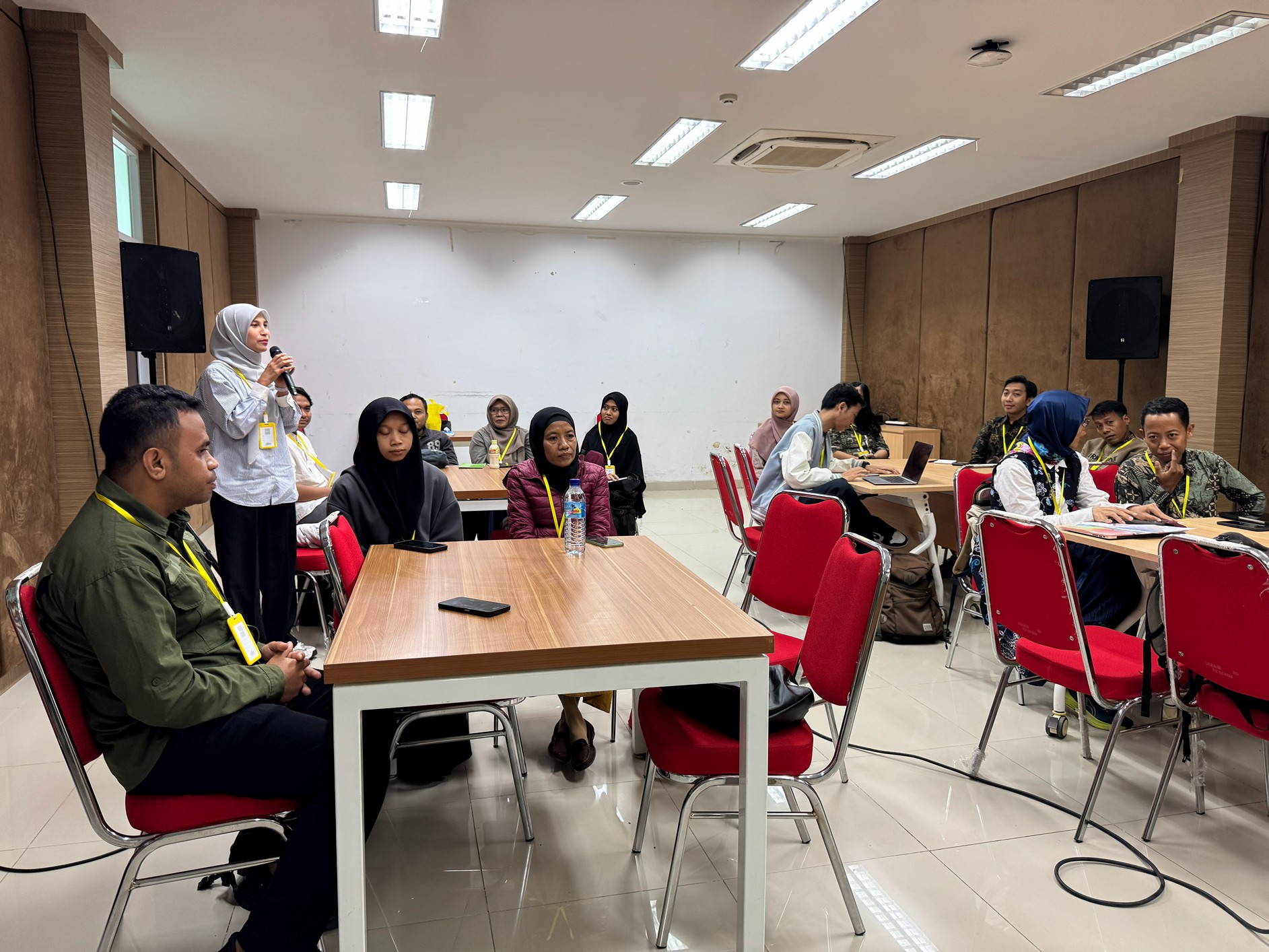
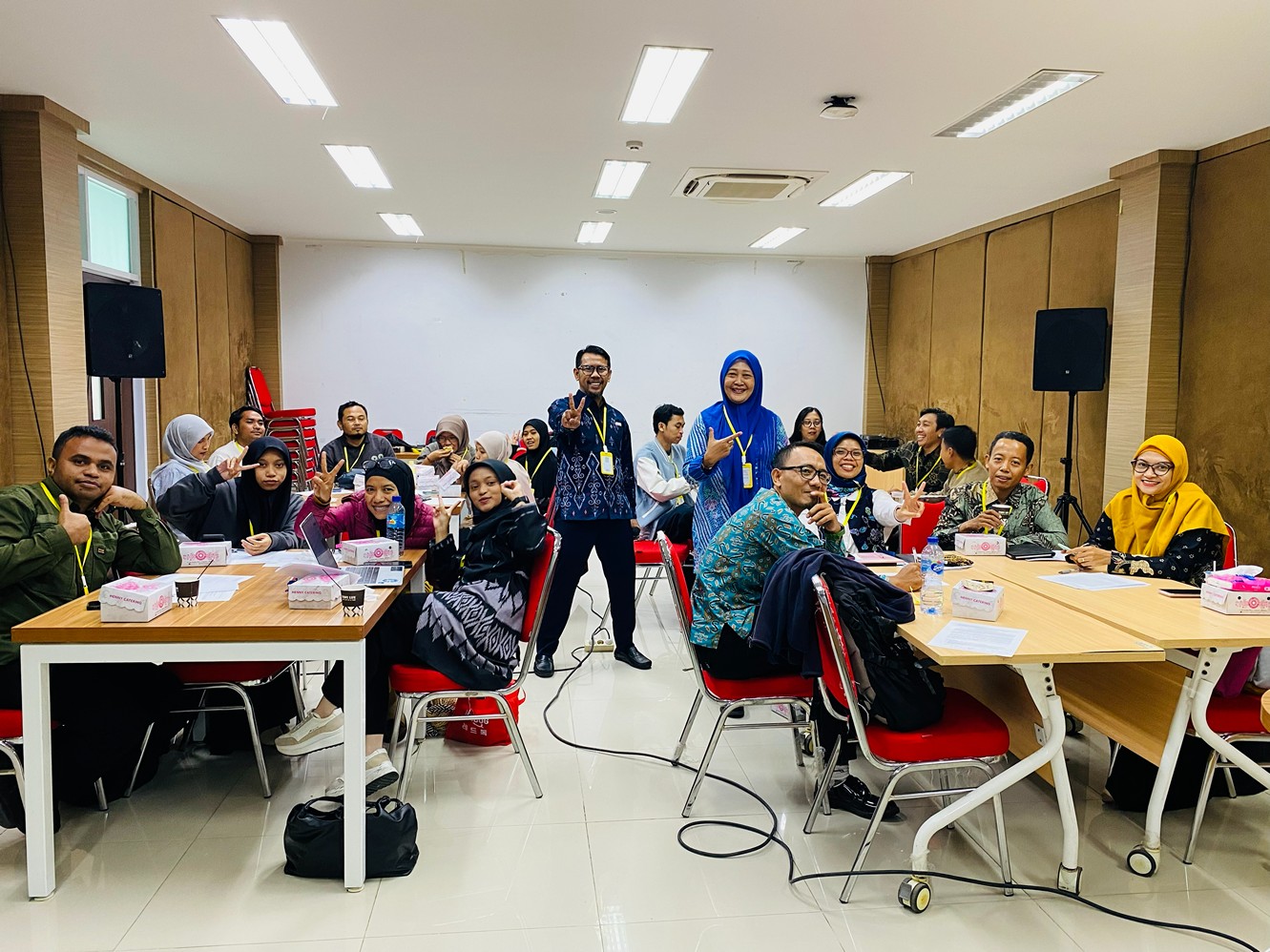
The one-day professional development program brought together 22 English teachers from various schools across West Nusa Tenggara Province. Designed as an intensive capacity-building initiative, the workshop equipped participants with updated knowledge of TKA assessment principles, reading pedagogy, and assessment design aligned with national standards.
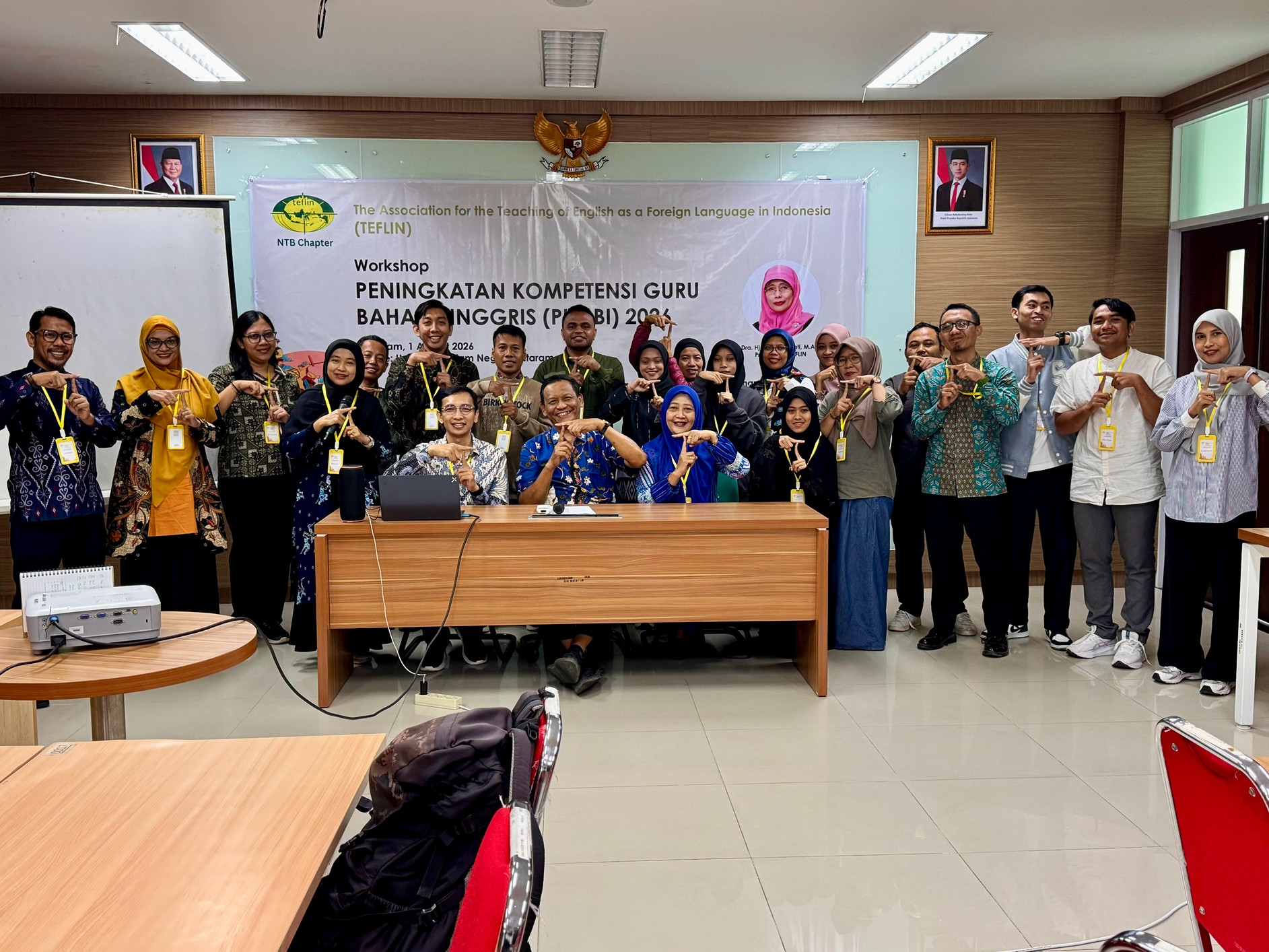
The workshop was facilitated by a team of experienced English language educators consisting of Dr. Afif Ikhwanul Muslimin, Imansyah, M.Pd., Dr. Khusnul Khotimah, and Prof. Nurul Lailatul Khusniyah. Throughout the sessions, participants explored practical strategies for preparing students to meet the demands of the new standardized assessment while simultaneously improving classroom instruction.
The training addressed several key topics, beginning with an overview of the Tes Kemampuan Akademik (TKA) and the rationale behind its implementation. Participants discussed how TKA is intended to provide a standardized measure of students’ conceptual understanding, reasoning ability, and higher-order thinking skills while complementing existing school-based assessments. The workshop also highlighted the importance of improving assessment credibility and ensuring greater fairness in evaluating students’ academic achievement.
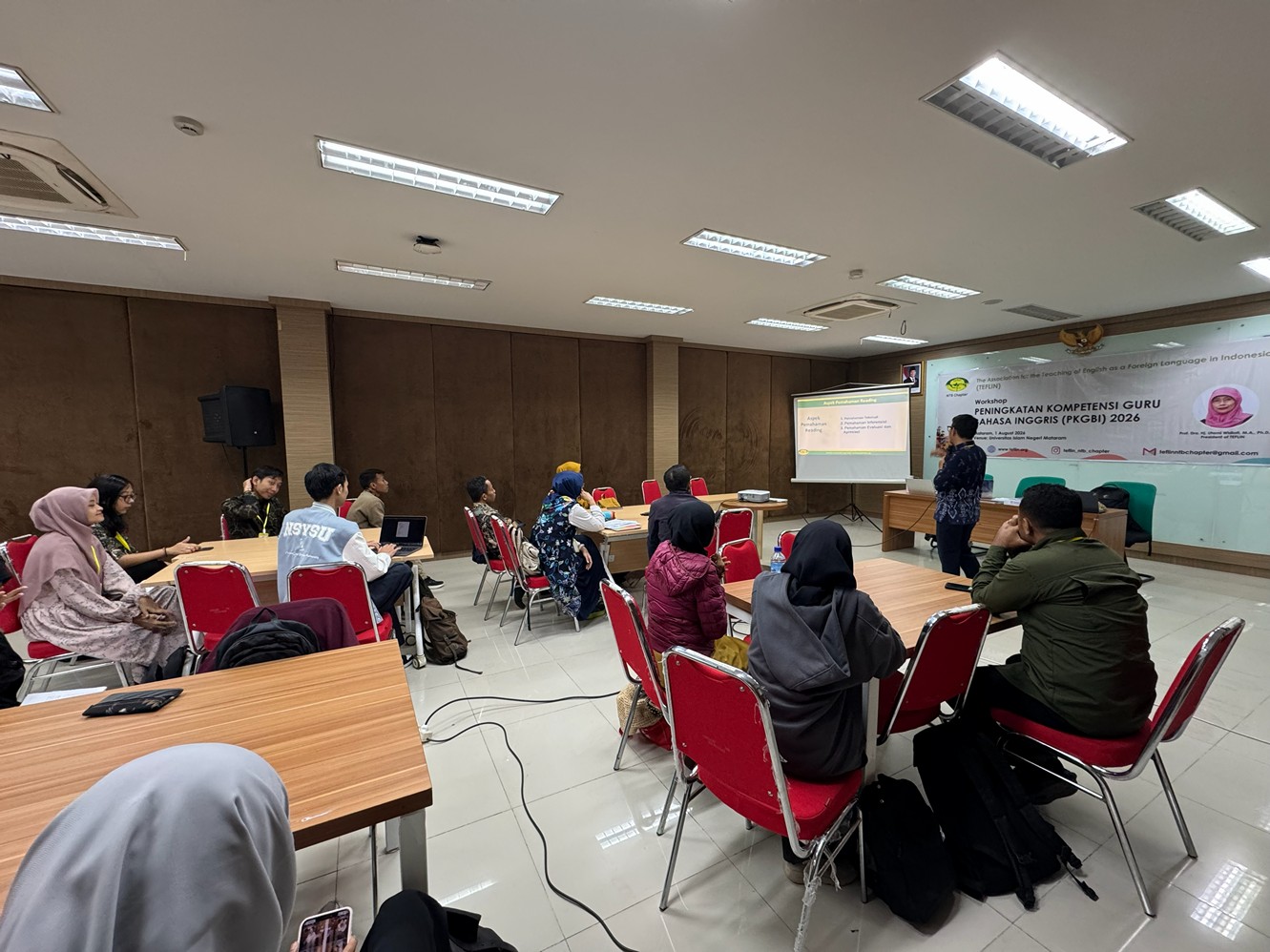
Another major focus of the workshop was the development of high-quality reading assessment items. Participants learned how TKA English assessments employ three formats: traditional multiple-choice questions, Multiple Choice Multiple Answers (MCMA), and Category-Based Multiple Choice questions. These formats require students to demonstrate not only factual comprehension but also deeper reasoning and analytical skills.
Recognizing that reading remains the primary language skill assessed in the English TKA, the facilitators introduced instructional approaches for developing students’ reading comprehension across three competency levels:
- Textual comprehension
- Inferential comprehension
- Evaluative and appreciative comprehension
These competencies are expected to enable learners to interpret information accurately, make logical inferences, and critically evaluate texts—skills that align with the objectives of Indonesia’s current curriculum and international language proficiency frameworks.
The workshop also emphasized that TKA English reading materials are designed around authentic communication contexts, including everyday, vocational, and academic situations. Texts cover descriptive, recount, narrative, procedure, and analytical exposition genres, with language complexity generally targeting the B1 level of the Common European Framework of Reference for Languages (CEFR) for senior secondary students.
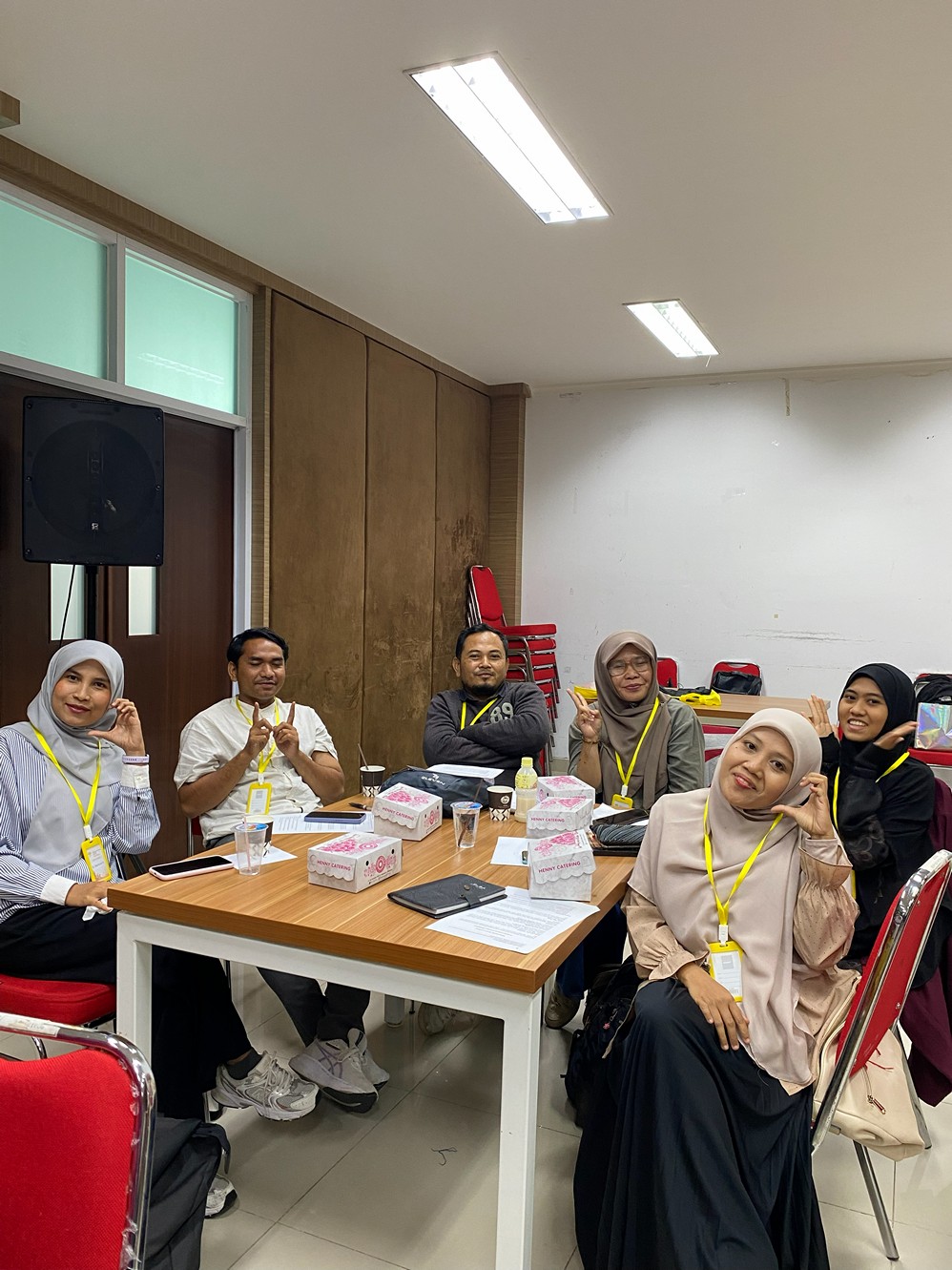
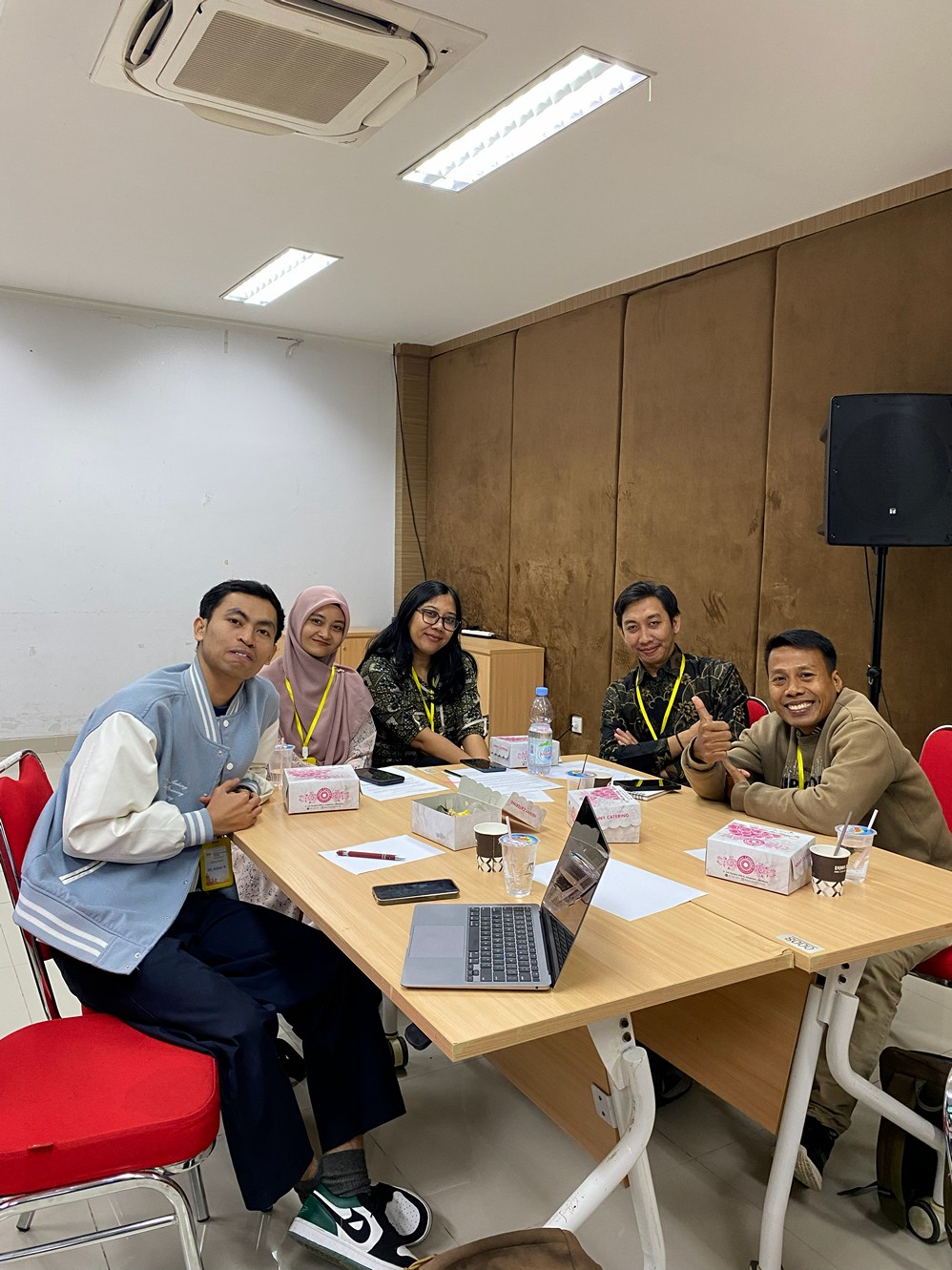
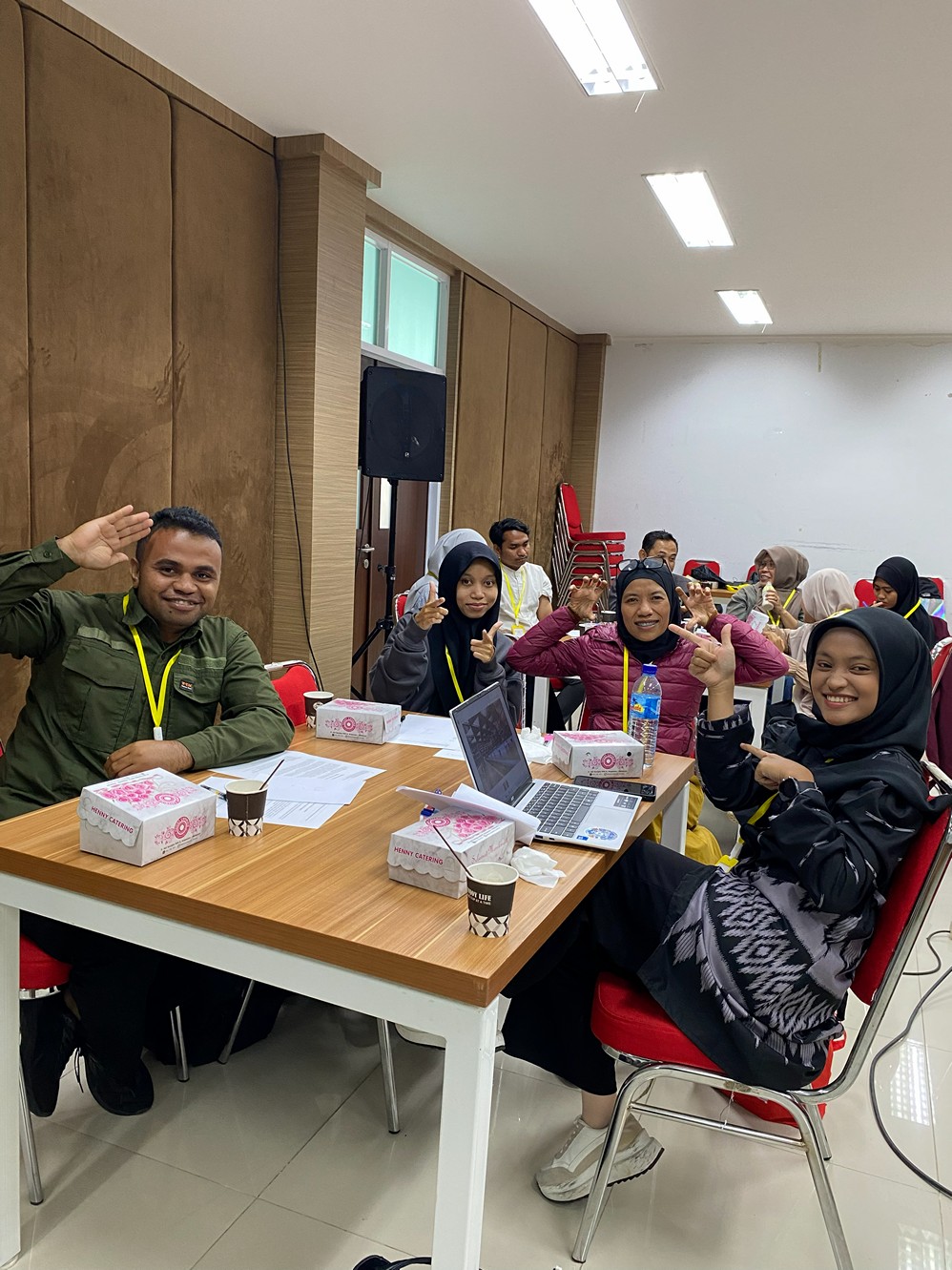
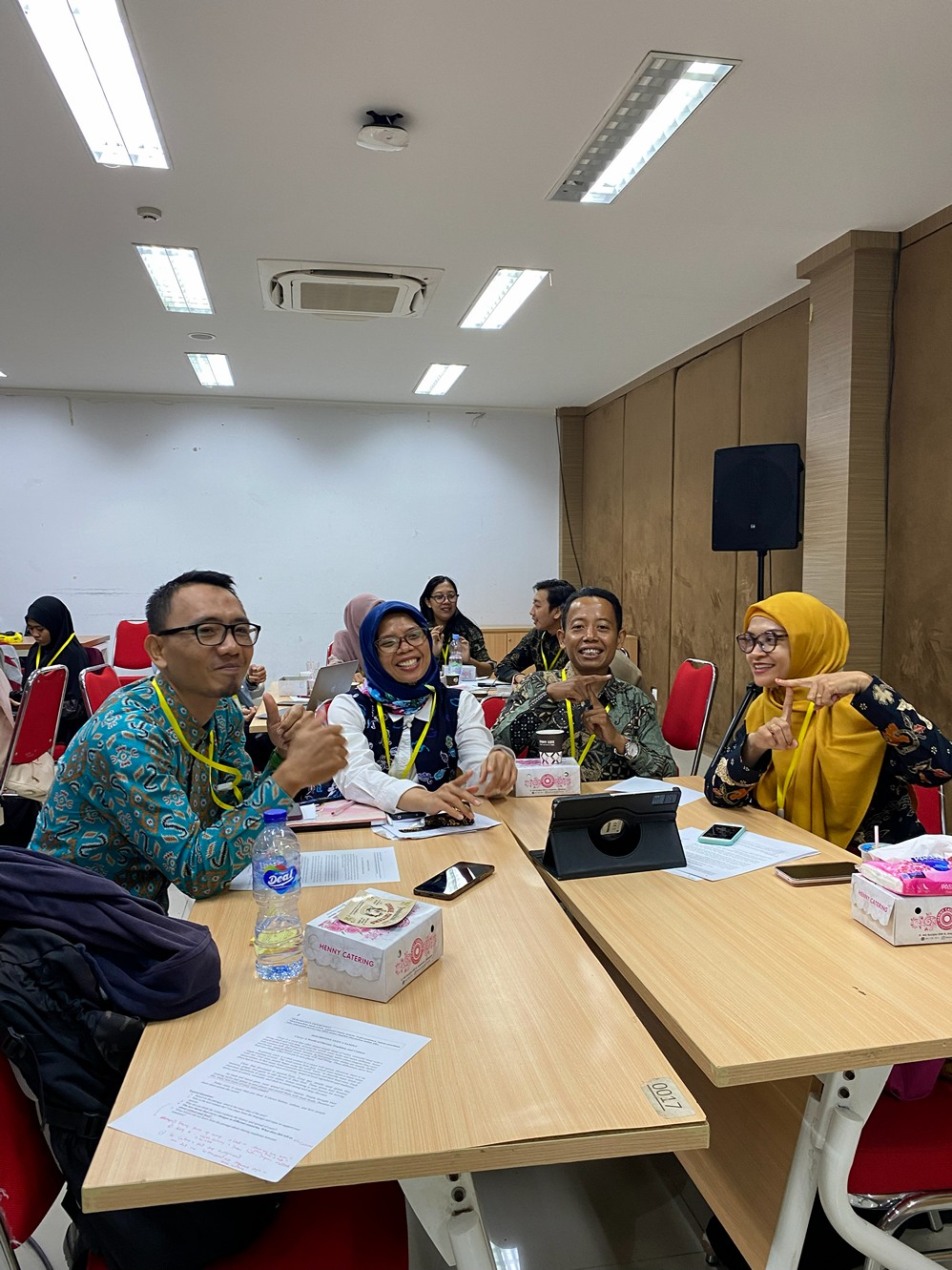
Beyond theoretical discussions, participants engaged in collaborative activities to design reading test items and exchange classroom practices that could better prepare students for the evolving assessment landscape. The interactive sessions encouraged teachers to reflect on effective instructional strategies while promoting assessment literacy among English educators.
Speaking after the event, the organizing committee expressed appreciation for the enthusiastic participation of teachers from across West Nusa Tenggara. The successful implementation of PKGBI 2026 reflects TEFLIN NTB’s commitment to supporting teachers in responding to educational reforms through evidence-based professional development.
As Indonesia continues to strengthen its assessment system, initiatives such as PKGBI play an important role in ensuring that English teachers are well prepared to implement effective reading instruction, develop high-quality assessment instruments, and foster students’ critical reading abilities.
Through continuous collaboration between TEFLIN, universities, schools, and education stakeholders, professional development programs like PKGBI are expected to contribute to improving the quality of English language education and supporting students in achieving higher academic standards nationwide.